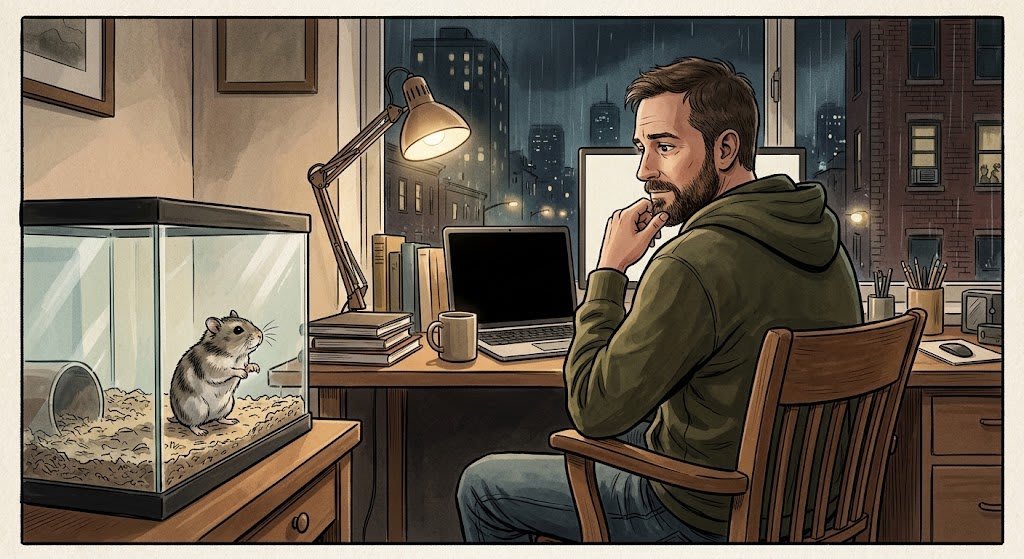
When a client comes to see me, often times they are in crisis. They have been experiencing anxiety, depression, fear, anger, or any number of emotions that have made their lives unhappy to the point where they have decided they need help, and now they’re willing to take the steps they need to take to get that help. There might have been a recent traumatic experience like a break up or a death, or they might be feeling the effects of a long term issue like chronic anxiety or depression. Either way, our process is similar. We start out talking about how these particular issues affect them in their everyday lives. A story about a fight with their spouse, or a panic attack, or a bout of depression leaving them unable to work, something that represents the cycle of unhappiness they are experiencing. Then we delve into the causes of this cycle, both the immediate, practical factors, as well as the more personal, emotional considerations. At first it’s hard for the client to think objectively about something so emotionally intense. They often feel that when they’re in the middle of these strong emotions, it’s like they’re on a raft going down a raging river, close to capsizing, holding on for dear life. This is what it feels like when we’re in the thrall of intense emotions. Sitting with me talking about it in session, they are often able to experience some distance from these emotions, and observe the process as if they were on the bank of the imaginary river, watching themselves go down the rapids.
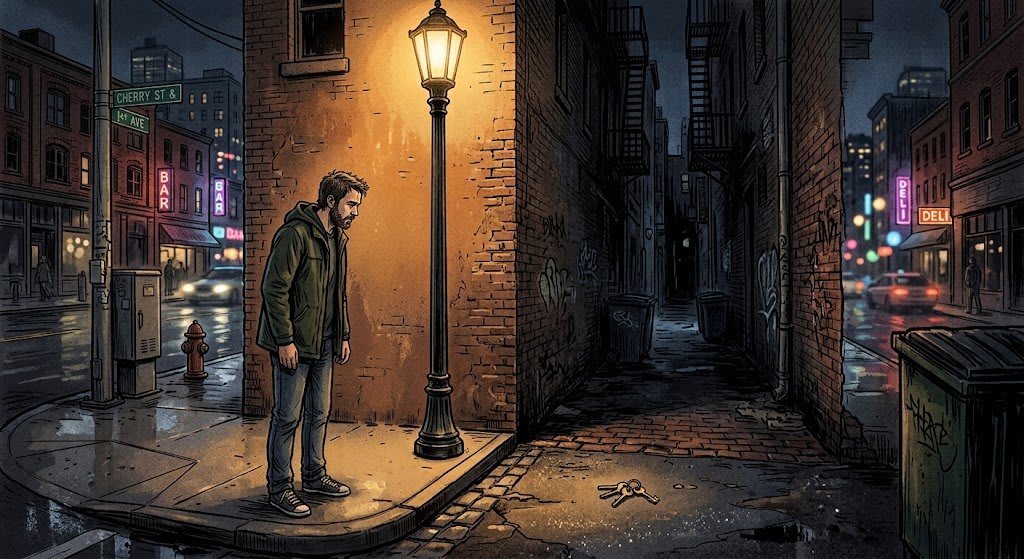
This is a key step in learning to process the emotions that have been guiding us to an unhappy place. When we’re experiencing these emotional cycles, we can feel like we’re at the mercy of powers stronger than ourselves, powerless to change things, like a wind up toy moving along with no choice in the matter. When we are able to gain some distance from these events and analyze our feelings and actions in a more objective way, we start to gain some awareness. I call this Zooming Out. It’s the whole point of talk therapy, in a way; discussing an emotional event that happened without being under the control of the emotions that caused it, enabling us to learn more about it in a way that might empower us to change how we react the next time it happens.
After developing the ability to discuss what it was like being powerless in the face of strong emotions, eventually the client gets to the point where, the next time something like this happens in their everyday life, they are able to Zoom Out in the moment. They feel themselves being tossed around by the raging river of their emotions, but are able to step back and imaging themselves standing on the bank of the river, watching themselves struggling on the raft, surrounded by white water, hanging on for dear life. I’ve had clients describe this as sort of an out of body experience, to see themselves in the throes of anxiety or depression or relationship conflict or work stress, and at the same time to be able to stand beside themselves and observe this happening with a calmer, observant disposition. As this process of Zooming Out continues, the client is able to report on how they saw themselves acting, why they were doing the things they were doing, and how they are able to recognize the pattern they were stuck in.
At first the client feels powerless to change things. Even though they have this newfound sense of awareness, they are unable to do anything to change the cycle they are experiencing. But eventually, through the process of talk therapy, they are able to go from Zooming Out to Zooming In. This is when they are able to do something in the moment to break out of the negative cycle. It’s as if they are on that raging river, deep in the rapids, but now have an oar they are able to use to paddle to safety. The feeling of powerlessness is eventually replaced by a sense that we can indeed do something to change the situation. The aware part of ourselves slowly gains control of our actions from the unaware part of ourselves. This is often a breakthrough moment for clients, the moment when they realize they are doing something they don’t want to do, feeling some way they don’t want to feel, and finally feeling like they are able to do something about it.
Now, what can they do about it? Not much, at first. Often just being aware of it is the start. But soon they are able to ask themselves questions that can lead to a different approach to the situation. Why am I getting so angry about this? Why am I taking out my anger on this person? Is the way I’m acting helping me live a happier life? Do I really want to act this way? Do I have the power to change? Zooming Out is the technique we use here, with the idea that eventually we will take the skills we learned on the outside and then Zoom In and apply them in order to change things for the better.
Ready to take the first step towards clarity and strength?
Let’s connect—schedule your free consultation with me today!