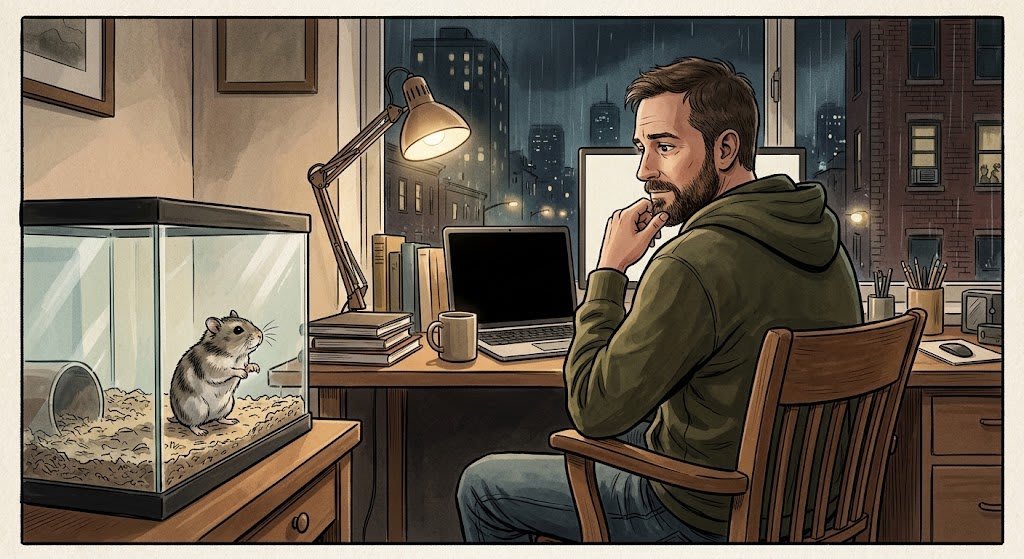
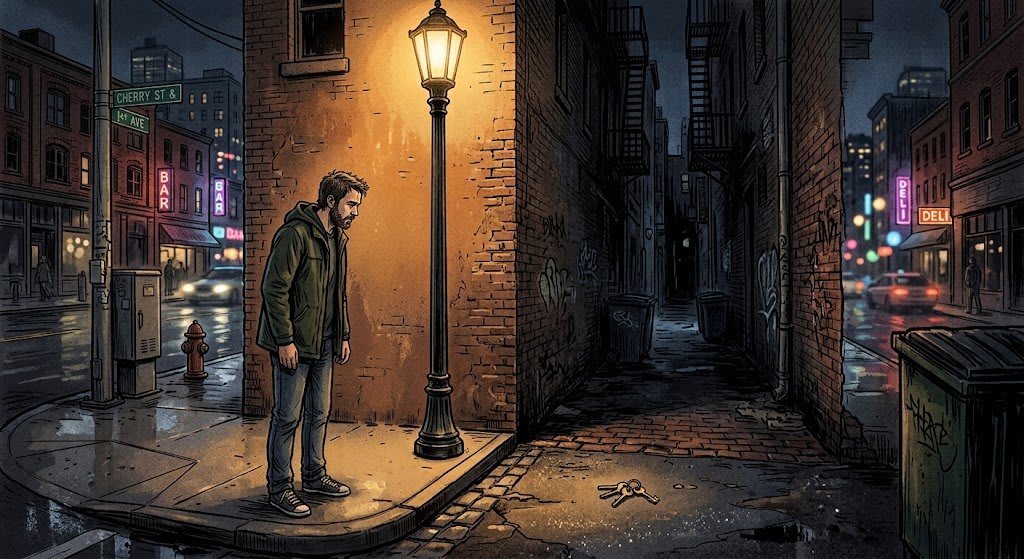
When I meet with a client for the first time, they are often in a state of crisis. They might be so depressed they can’t function in what they consider a normal way, or so anxious they are feeling physical symptoms that scare them, or their relationship has reached a moment of crisis that seems to be a breaking point. The issues they’re dealing with might have been worth discussing in therapy for much of the time previous to their crisis, but things weren’t bad enough to go to the trouble of finding a therapist, making an appointment, and filling out all those forms. Now, however, things have changed in a way that makes talking to someone about it worth all the trouble of getting there. In that first session (or sometimes two or three or more) we spend time downloading everything the client is experiencing. It’s a “get it off your chest” kind of situation. There are things the client needs to tell someone, and they almost always feel better after telling someone trained to listen to and support them. There’s a sense of relief after verbalizing all the thoughts the client has had bouncing around in their head. The thing is, that good feeling usually disappears as soon as they start to think about what they can do to change their situation. Now what do I do? This is where I encourage them to consider not what they can do to change things in the future, but how they can better process what’s happening right now.
Key Takeaways for Navigating Life Transitions:
- Action isn’t always step one: Trying to immediately “fix” a crisis often adds more anxiety to the situation.
- The Snow Globe Effect: Hyper-focusing on emotional distress keeps the storm active.
- Emotional Acceptance: Meaningful change happens after you give the emotional storm room to settle.
The Emotional Snowstorm: Why Crisis Makes Us Freeze or Overreact
At this moment, there is so much going on in the client’s life that it’s like a Snow Globe that has just been shaken up. If we picture our lives as a Snow Globe’s typically bucolic scene of holiday cheer and pastoral landscape, then in our current situation those scenes are now completely obscured by snow. We’re stuck in a snowstorm with no idea where we are or how to get to where we want to be. To the client in a state of crisis, the snow is the problem, and they want to get rid of it. But how do you get rid of snow? One person can’t make the snow go away. It’s an impossible task. But the funny thing about humans is we often get stuck trying to accomplish impossible tasks. A therapist’s job is to point this out, and help switch our focus to the tasks that are possible to accomplish.
Stop Shaking the Globe: The Power of Pausing in Therapy
So what can we do when our lives have become a shaken-up Snow Globe? I encourage my clients to stop trying to make the snow go away but to instead wait for it to settle. This means accepting the feelings and events that are causing their crisis without the pressure of having to fix them right away. It seems counter intuitive to come to therapy for guidance about one’s problems and then be told not to focus on them so much, but it helps. It’s part of the process. Think about it as if the mental energy spent on trying to fix things is actually shaking the globe a little more each time. The more we try to get things to settle down, the more we kick the snow up and send it swirling around us again. Sometimes the ways in which we try to fix things actually reinforce them.
Finding Clarity After the Snow Settles
The source of our unhappiness is not the snow drifting around obscuring our vision, but in the foundation of our bucolic scene that the snowstorm obscures. Something has changed in that scene that has caused this emotional snowstorm. In this situation, we attempt to let go of the burden of trying to fix things and let ourselves be free to just feel things. This is the mental health equivalent of setting the globe down and waiting for the snow to float back down to the ground. Only then can you get a good look at your surroundings and see what exactly caused the snowstorm. In the same way, only once you’ve accepted the strong emotions and reactions to events that brought you to therapy without feeling you have to fix them can you start to see the sources of these emotions and reactions to them. We wait for the snow to settle, and then it becomes easier to assess the situation, and then we can begin the process of change.
Navigating a Life Transition or Crisis in Los Angeles?
If your life currently feels like a shaken snow globe, you don’t have to navigate the storm alone. Whether you’re experiencing severe anxiety, major life changes, or relationship distress, taking time to pause is the first step toward clarity.
I offer therapy in Los Angeles and online across California. Reach out today to schedule an initial consultation.
Ready to take the first step towards clarity and strength?
Let’s connect—schedule your free consultation with me today!